Source Hrc50 56 Excavator Sprocket for Track, Undercarriage, and Repair
Find 30 listings for the hrc50 56 excavator sprocket to compare specifications and pricing. These components, often made from Zg40mn or Zg42simn with surface hardness of HRC52-58, support construction and heavy-duty applications. Buyers can review customization options and delivery times ranging from 7 to 30 days.
Key considerations
Products List


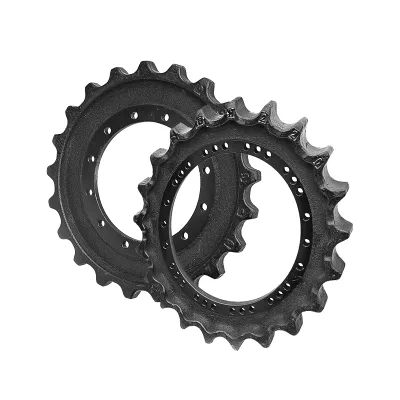


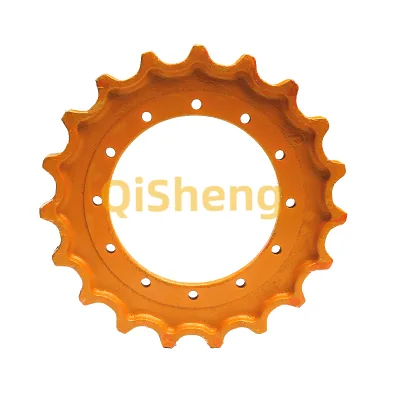


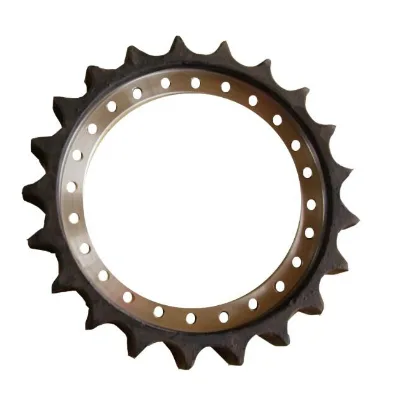


Comprehensive Sourcing Guide
HRC50 56 Excavator Sprocket Sourcing Guide
The global market for heavy-duty excavator sprockets centers on components designed for extreme wear resistance, with observed listings frequently highlighting surface hardness ranges between HRC52 and HRC58. Buyers must recognize that these specific hardness values are critical for maintaining chain engagement and preventing premature tooth wear in construction and heavy-duty applications. The supply base often utilizes cast materials such as Zg40mn or Zg42simn to achieve the necessary structural integrity required for continuous operation under high load conditions.
Procurement strategies should account for the variability in product origins, with significant manufacturing activity reported in regions like Quanzhou and Fujian, China. While some listings indicate a standard delivery window of seven days, others suggest a broader range of three to thirty days depending on order volume and customization needs. Sourcing professionals must verify that the specific hardness depth of eight to twelve millimeters aligns with the operational demands of their machinery to ensure the component can withstand the abrasive nature of excavation environments.
Product Scope and Observed Listing Signals
Current market listings demonstrate a wide spectrum of compatibility, covering specific models such as the Sumitomo SH210-6, PC200, and various Kobelco series like the K905. Buyers will encounter part numbers including Kra12900, 6y5685, and Cr5861, which serve as essential identifiers for matching sprockets to existing fleet requirements. The product scope extends to both standard and customized configurations, allowing procurement teams to source either off-the-shelf units or tailored solutions that meet unique machine specifications.
Visual and branding signals in the marketplace often include color options like black or yellow, alongside the availability of custom logos such as Z.K.M. These aesthetic and branding choices do not alter the mechanical performance but are vital for fleet standardization and asset tracking. The observed marketing types range from ordinary products to new product introductions, indicating a dynamic market where suppliers may offer both legacy replacements and updated designs. Buyers should carefully cross-reference the listed machine numbers, such as 330 or 336, against their actual equipment to avoid compatibility errors.
Technical Specifications to Verify
The mechanical integrity of the sprocket relies heavily on the production method, which is frequently cited as either casting or forging. These processes directly influence the grain structure and ultimate tensile strength of the component, making it essential for buyers to confirm the specific manufacturing technique used for their order. The raw material composition, typically Zg40mn or Zg42simn, provides the foundational properties necessary for high-stress applications, but the final hardness achieved through heat treatment is the primary determinant of service life.
Verification of the surface hardness range, specifically the HRC52-58 interval, is a non-negotiable step in the technical evaluation process. This hardness level must be accompanied by a consistent case depth of eight to twelve millimeters to ensure the wear resistance extends sufficiently into the material. Buyers should also scrutinize the standard weight specifications, which vary from 9 kilograms to 35 kilograms depending on the model and size, as these figures impact shipping logistics and installation requirements. Ensuring these technical parameters match the original equipment manufacturer (OEM) specifications is crucial for maintaining optimal machine performance.
Compliance and Safety Documentation
Regulatory compliance in the heavy machinery sector is often anchored by certifications such as CE and ISO9001, which appear frequently in product listings. These certifications indicate that the manufacturing facility adheres to specific quality management systems and safety standards, providing a baseline assurance of product reliability. However, buyers must verify the specific version of the standard, as some listings reference ISO9001:2000 while others may imply newer iterations, and the validity of these certifications should be confirmed with the supplier directly.
Safety documentation also includes the availability of video outgoing inspections, a feature that is inconsistently offered across the market. While some suppliers provide video evidence of the final product before shipment, others do not offer this service, leaving the buyer to rely on written quality guarantees. The presence of a "High Guarantee" quality claim should be treated as a commercial statement rather than a substitute for independent verification. Procurement teams must ensure that all necessary compliance documents are included in the shipment to facilitate customs clearance and on-site safety audits.
Cost Drivers and Commercial Terms
Pricing in this sector exhibits a vast range, with observed listings spanning from eight to one hundred thousand US dollars, reflecting the diversity in size, material, and customization levels. The cost is heavily influenced by the production method, with forged components often commanding a premium over cast alternatives due to superior mechanical properties. Additionally, the requirement for custom logos, specific colors, or tailored packaging solutions can significantly alter the final unit price and must be factored into the total cost of ownership calculations.
Commercial terms are flexible, with payment options including T/T, Money Gram, Western Union, and PayPal, though the specific terms depend on the supplier's risk assessment. The minimum order quantity (MOQ) is generally low, often starting at a single piece, which facilitates small-scale procurement for maintenance or replacement needs. However, lead times can vary from seven days to thirty days, creating a trade-off between speed and cost that buyers must manage. Understanding these variables is essential for budgeting and ensuring that the procurement timeline aligns with operational downtime constraints.
Supplier Qualification and Quality Control
Supplier qualification requires a rigorous assessment of their production capabilities and quality control protocols, particularly regarding the consistency of hardness and material composition. Buyers should prioritize suppliers who explicitly state their production methods and raw material sources, as these factors are direct indicators of the sprocket's durability. The availability of OEM services suggests that the supplier has the technical capacity to replicate or improve upon original designs, which is a valuable asset for maintaining fleet compatibility.
Quality control measures vary, with some suppliers offering video outgoing inspections while others rely on standard packaging and written guarantees. The absence of video inspection services does not necessarily indicate poor quality, but it does require the buyer to implement stricter incoming inspection protocols upon receipt of the goods. The standard packaging, which may include wooden cases, pallets, or wooden boxes, is designed to protect the component during transit, but the buyer must verify that the packaging is sufficient for the specific weight and dimensions of the sprocket to prevent damage.
Long-Term Procurement Checks
Establishing a long-term procurement relationship involves regular audits of the supplier's ability to maintain consistent quality and delivery performance over time. Buyers should track the performance of the sprockets in the field, monitoring for any deviations in wear rates or failure modes that might indicate a drift in manufacturing quality. The initial verification of hardness depth and surface hardness should be repeated periodically to ensure that the supplier continues to meet the specified HRC52-58 range and eight to twelve millimeter depth requirements.
Strategic sourcing also requires monitoring the supplier's inventory levels and lead time stability, as these factors can impact operational continuity. The ability to source specific part numbers like Kra12900 or 6y5685 consistently is critical for fleet maintenance, and any disruptions in supply should be addressed immediately. Buyers should maintain open communication channels to discuss potential design improvements or material upgrades that could enhance the longevity of the sprockets, ensuring that the procurement strategy evolves alongside the machinery it supports.
FAQs
What is the surface hardness of the excavator sprocket?
The surface hardness is HRC52-58, which ensures durability under heavy-duty construction conditions. This specification is achieved through specialized casting or forging processes using materials like Zg40mn or Zg42simn. The hardness depth ranges from 8 to 12mm, providing robust wear resistance for continuous operation in demanding environments.
Can I customize the logo and color of the sprocket?
Yes, customization is available for both logos and colors. Buyers can choose from black, yellow, or other customized color options. The logo can be customized or selected from existing options like Z.K.M. This flexibility allows companies to maintain brand identity while sourcing high-quality replacement parts for their machinery.
What certifications do these excavator sprockets hold?
These sprockets hold CE and ISO9001 certifications, ensuring compliance with international quality and safety standards. The products are in new condition and undergo rigorous quality checks. Some listings also reference ISO9001:2000 standards. These certifications provide assurance of consistent manufacturing quality and reliability for global procurement needs.
What is the typical delivery time for orders?
The typical delivery time is 7 days for standard orders. However, depending on specific requirements and production schedules, delivery can range from 3 to 30 days. This timeframe allows for efficient processing while accommodating custom specifications or larger volume orders, ensuring timely supply for construction and heavy-duty applications.
Which excavator models are compatible with these sprockets?
These sprockets are compatible with various models including CX55, CX50B, SK40SR, Sumitomo SH210-6, PC200, and Kobelco K905. Part numbers like Kra12900, 6y5685, and Cr5861 correspond to specific machine numbers such as 330, 336, and K220. This wide compatibility ensures suitable replacements for diverse heavy machinery fleets.
What is the minimum order quantity for these parts?
The minimum order quantity is 1 piece, making it accessible for small-scale repairs or testing. This low MOQ allows buyers to procure single units without committing to large volumes. It supports flexible sourcing strategies for maintenance teams who need immediate replacements for specific excavator models without excess inventory costs.